

Insulation performance is a crucial factor when it comes to pipes used in various applications, such as plumbing, heating, and industrial fluid transportation. As a supplier of PE, HDPE, and PP pipe making machines, I am often asked about the insulation capabilities of the pipes produced by these machines. In this blog post, I will delve into the insulation performance of pipes made from PE, HDPE, and PP materials, exploring the factors that influence it and the benefits they offer.

Understanding the Materials
Before discussing insulation performance, it's essential to understand the characteristics of PE (Polyethylene), HDPE (High - Density Polyethylene), and PP (Polypropylene).
PE is a thermoplastic polymer known for its flexibility, chemical resistance, and low cost. It has a relatively low density, which gives it certain physical properties that can affect insulation. HDPE, on the other hand, is a stronger and more rigid form of polyethylene. It has a higher density, which contributes to its durability and mechanical strength. PP is a lightweight, strong, and heat - resistant thermoplastic. It has good chemical resistance and can withstand high temperatures in some applications.
Factors Affecting Insulation Performance
- Material Properties
- Thermal Conductivity: One of the most important factors in insulation performance is thermal conductivity. Thermal conductivity is a measure of how easily heat can pass through a material. Materials with low thermal conductivity are better insulators. PE, HDPE, and PP generally have relatively low thermal conductivity compared to metals. For example, the thermal conductivity of PE ranges from about 0.33 - 0.46 W/(m·K), HDPE has a thermal conductivity of around 0.42 - 0.50 W/(m·K), and PP has a thermal conductivity in the range of 0.12 - 0.24 W/(m·K). This means that these materials can slow down the transfer of heat, making them suitable for insulation applications.
- Density: As mentioned earlier, density can also affect insulation. Higher - density materials like HDPE are generally better at preventing heat transfer because they have a more compact molecular structure. However, this also depends on other factors such as the presence of air pockets or additives in the material.
- Pipe Wall Thickness
- The thickness of the pipe wall plays a significant role in insulation. A thicker pipe wall provides more material to resist heat transfer. For pipes made by our Pipe Making Machine Pipe Production Line, the wall thickness can be adjusted according to the specific insulation requirements of the application. By increasing the wall thickness, the insulation performance of the pipe can be improved.
- Additives and Fillers
- Additives and fillers can be incorporated into the PE, HDPE, or PP during the pipe - making process to enhance insulation performance. For example, some additives can create a more closed - cell structure within the material, which traps air and reduces heat transfer. Other fillers, such as glass fibers or minerals, can also improve the thermal resistance of the pipe.
Benefits of Insulated Pipes Made from PE, HDPE, and PP
- Energy Efficiency
- In heating and cooling systems, pipes with good insulation can significantly reduce energy consumption. By minimizing heat loss or gain, less energy is required to maintain the desired temperature of the fluid inside the pipe. This not only saves on energy costs but also contributes to a more sustainable environment.
- Condensation Prevention
- Insulated pipes can prevent condensation from forming on the outer surface. Condensation can lead to corrosion, water damage, and the growth of mold and mildew. Pipes made from PE, HDPE, and PP with proper insulation can help avoid these issues, especially in humid environments.
- Noise Reduction
- These pipes can also act as a sound insulator. The material can absorb and dampen the noise generated by the flow of fluid inside the pipe, creating a quieter environment. This is particularly beneficial in residential and commercial buildings where noise pollution needs to be minimized.
Applications of Insulated PE, HDPE, and PP Pipes
- Heating and Plumbing Systems
- In residential and commercial buildings, PE, HDPE, and PP pipes are widely used in heating and plumbing systems. Their insulation properties help maintain the temperature of hot water, reducing energy waste and ensuring a consistent supply of warm water. Our HDPE Pipe Extrusion Production Line can produce high - quality HDPE pipes suitable for these applications.
- Industrial Fluid Transportation
- In industrial settings, these pipes are used to transport various fluids, including chemicals, oils, and gases. The insulation performance of the pipes helps protect the fluid from temperature changes, which can affect its properties and performance. Additionally, it can prevent heat loss or gain, which is crucial in processes where precise temperature control is required.
- Renewable Energy Systems
- In solar thermal systems and geothermal heating and cooling systems, PE, HDPE, and PP pipes are used to transfer heat. Their insulation capabilities are essential for maximizing the efficiency of these renewable energy systems.
Our Pipe Making Machines and Insulation Performance
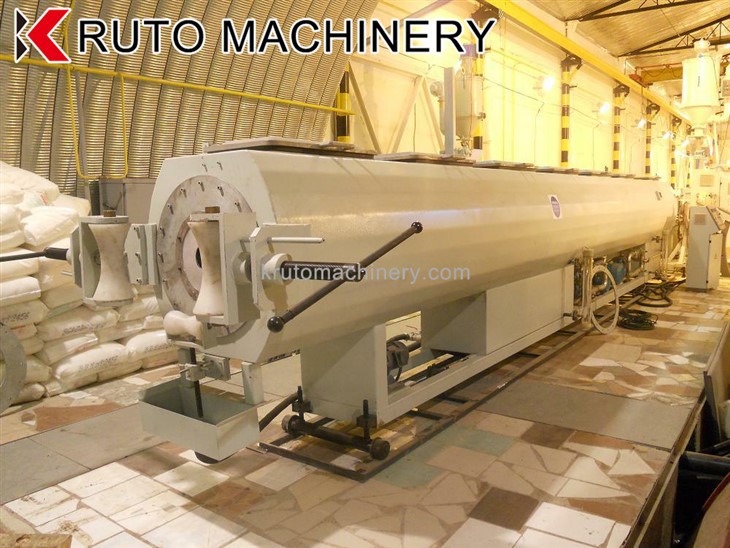
At our company, we offer a range of pipe making machines that can produce high - quality PE, HDPE, and PP pipes with excellent insulation performance. Our PEX(PE - RT)PPR - AL - PEX(PE - RT)PPR COMPOSITE PIPE HIGH SPEED PRODUCTION LINE is designed to produce composite pipes that combine the advantages of different materials to enhance insulation and other properties.
We use advanced extrusion technology to ensure uniform wall thickness and consistent material properties in the pipes. Our machines can also incorporate additives and fillers during the production process to optimize insulation performance. Whether you need pipes for small - scale residential projects or large - scale industrial applications, our pipe making machines can meet your requirements.
Conclusion
The insulation performance of pipes made by our PE, HDPE, and PP pipe making machines is influenced by various factors, including material properties, pipe wall thickness, and the use of additives. These pipes offer significant benefits such as energy efficiency, condensation prevention, and noise reduction, making them suitable for a wide range of applications.
If you are interested in purchasing our pipe making machines to produce high - quality insulated pipes, we encourage you to contact us for further discussion. We are committed to providing you with the best solutions for your pipe production needs.
References
- "Plastic Pipes: Properties and Applications" by X. Li
- "Thermal Insulation Materials and Systems" by R. M. Dittrich