

Antibacterial properties are a crucial consideration in various products, especially those used in environments where hygiene is a priority. Turf mats, which are widely used in sports fields, landscaping, and indoor decoration, are no exception. As a leading supplier of Plastic Extruder Turf Mat Making Lines, we are often asked about the antibacterial properties of the turf mats produced by our machines. In this blog post, we will explore the antibacterial characteristics of turf mats made by our Plastic Extruder Turf Mat Making Line and how they contribute to a cleaner and safer environment.
Understanding the Plastic Extruder Turf Mat Making Line
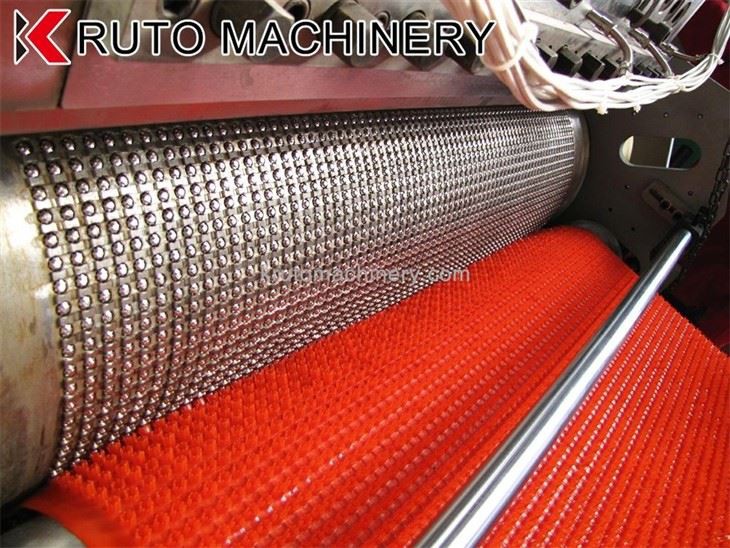
Before delving into the antibacterial properties, it's essential to understand how our Plastic Extruder Turf Mat Making Line works. Our production line is a state - of - the - art system that uses plastic extrusion technology to create high - quality turf mats. The process involves melting plastic materials, such as polyethylene (PE), and forcing them through a die to form the grass - like strands that make up the turf mat. This technology allows for precise control over the shape, size, and density of the grass strands, resulting in turf mats that are not only aesthetically pleasing but also durable and functional.
Antibacterial Agents in Turf Mats
One of the ways we enhance the antibacterial properties of our turf mats is by incorporating antibacterial agents during the manufacturing process. These agents are carefully selected to be effective against a wide range of bacteria, including common pathogens such as Escherichia coli (E. coli) and Staphylococcus aureus.
Silver - based antibacterial agents are among the most commonly used in our turf mats. Silver has long been recognized for its antibacterial properties. It works by releasing silver ions, which can disrupt the cell membranes of bacteria, inhibit their growth, and ultimately kill them. The silver ions can also interfere with the metabolic processes of bacteria, preventing them from reproducing.
Another type of antibacterial agent we use is zinc oxide. Zinc oxide is a natural mineral that has antibacterial and antifungal properties. It can create an environment that is unfavorable for the growth of bacteria by changing the pH and oxygen levels on the surface of the turf mat. Additionally, zinc oxide has a photocatalytic effect, which means it can generate reactive oxygen species (ROS) when exposed to light. These ROS can damage the DNA and proteins of bacteria, leading to their destruction.
Surface Structure and Antibacterial Performance
The surface structure of the turf mat also plays a significant role in its antibacterial performance. Our Plastic Extruder Turf Mat Making Line allows us to create turf mats with a unique surface texture. The grass strands are designed to have a rough surface at the microscopic level. This rough surface can reduce the contact area between bacteria and the turf mat, making it more difficult for bacteria to adhere to the surface.
Moreover, the spacing between the grass strands is carefully controlled. A proper spacing allows for good air circulation within the turf mat, which helps to keep the surface dry. Since bacteria thrive in moist environments, keeping the turf mat dry can significantly reduce the likelihood of bacterial growth.
Testing and Certification
To ensure the effectiveness of the antibacterial properties of our turf mats, we conduct rigorous testing. Our turf mats are tested in independent laboratories using standardized methods. These tests measure the reduction in the number of bacteria on the surface of the turf mat over a specific period of time.
We also obtain relevant certifications to demonstrate the antibacterial performance of our turf mats. For example, we may obtain certifications from organizations such as the American Society for Testing and Materials (ASTM) or the International Organization for Standardization (ISO). These certifications provide assurance to our customers that our turf mats meet high - quality standards and have proven antibacterial properties.
Benefits of Antibacterial Turf Mats
The antibacterial properties of our turf mats offer several benefits, especially in high - traffic areas and environments where hygiene is crucial.
In sports fields, for example, turf mats with antibacterial properties can help reduce the risk of infection among athletes. Athletes are often in close contact with the turf mat, and they may sweat, which can create a moist environment that is conducive to bacterial growth. By using antibacterial turf mats, we can minimize the presence of harmful bacteria on the playing surface, reducing the likelihood of skin infections and other health issues.
In indoor environments, such as shopping malls, schools, and hospitals, antibacterial turf mats can contribute to a cleaner and healthier atmosphere. They can help prevent the spread of bacteria from person to person, especially in areas where people gather and interact frequently.
Comparison with Natural Grass
When compared to natural grass, our antibacterial turf mats have several advantages in terms of hygiene. Natural grass requires regular watering, which can create a wet and muddy environment that is ideal for bacterial growth. Additionally, natural grass is often fertilized and treated with pesticides, which can attract insects and other pests that may carry bacteria.
In contrast, our turf mats are low - maintenance and do not require watering or fertilizing. The antibacterial agents in our turf mats help to keep the surface clean and free of harmful bacteria, even in the absence of frequent cleaning.

Our Product Lines
If you are interested in our Plastic Extruder Turf Mat Making Line and the antibacterial turf mats it can produce, we offer a variety of product lines to meet your specific needs.
The Artificial Grass Production Line Machine is designed for large - scale production of high - quality artificial grass turf mats. This machine is equipped with advanced technology and features, allowing for efficient and precise manufacturing.
The Pe Plastic Grass Mat Production Line is specifically tailored for producing turf mats made from polyethylene. Polyethylene is a popular choice for turf mats due to its durability, flexibility, and affordability.
The Plastic Grass Mat Production Line offers a versatile solution for creating a wide range of plastic grass turf mats. It can produce turf mats with different colors, textures, and densities, allowing you to customize your products according to your market demand.
Contact Us for Procurement
If you are considering purchasing our Plastic Extruder Turf Mat Making Line or are interested in our antibacterial turf mats, we invite you to contact us for further discussion. Our team of experts is ready to provide you with detailed information about our products, answer your questions, and assist you in making the right decision for your business. Whether you are a small - scale manufacturer looking to start producing turf mats or a large - scale enterprise aiming to upgrade your production line, we have the solutions to meet your needs.
References
- "Antibacterial Activity of Silver Nanoparticles: A Surface Science Insight" by Sondi, I., & Salopek - Sondi, B. (2004). Journal of Colloid and Interface Science, 275(1), 177 - 182.
- "Antibacterial and Antifungal Activities of Zinc Oxide Nanoparticles: An Update" by Prabhu, S. M., & Poulose, E. K. (2012). Nanoscale Research Letters, 7(1), 243.
- "ASTM Standard Test Methods for Determining the Antibacterial Activity of Textile Materials Under Dynamic Contact Conditions" (ASTM E2149 - 13).
- "ISO 22196:2011 Plastics - Measurement of antibacterial activity on plastics surfaces".