

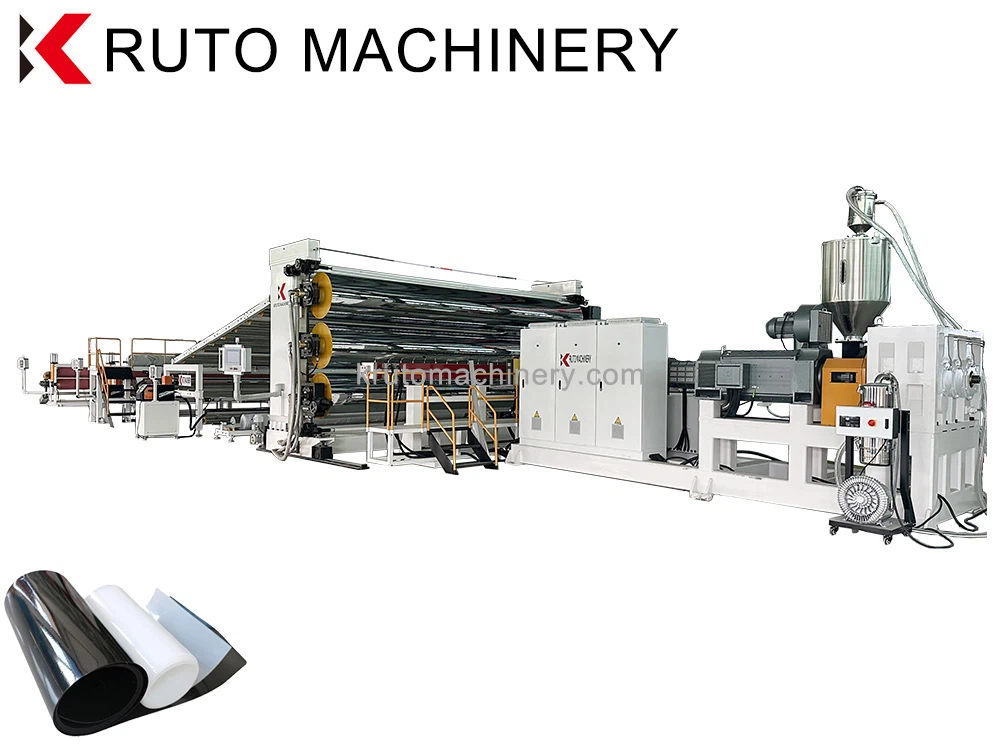
As a supplier of PVC Waterproof Rolls Extrusion Lines, I understand the critical role that the electrical system plays in the overall performance and longevity of these machines. A well-maintained electrical system ensures smooth operation, minimizes downtime, and enhances the safety of the equipment. In this blog post, I will share some essential tips on how to maintain the electrical system of a PVC Waterproof Rolls Extrusion Line.
Regular Inspection and Cleaning
Regular inspection is the first step in maintaining the electrical system of your extrusion line. Start by visually inspecting all electrical components, including wiring, connectors, switches, and circuit breakers. Look for signs of wear, damage, or overheating, such as frayed wires, loose connections, or discolored components. Any issues should be addressed immediately to prevent further damage or potential safety hazards.
In addition to visual inspection, it is also important to keep the electrical components clean. Dust, dirt, and debris can accumulate on the components over time, which can affect their performance and lead to overheating. Use a soft brush or compressed air to remove any dust or debris from the electrical panels, motors, and other components. Be careful not to damage any of the components during the cleaning process.
Check Electrical Connections
Loose or corroded electrical connections can cause a variety of problems, including poor performance, electrical shorts, and even fires. Therefore, it is crucial to regularly check and tighten all electrical connections in the extrusion line. Use a torque wrench to ensure that the connections are tightened to the manufacturer's specifications.
In addition to tightening the connections, it is also important to check for signs of corrosion. Corrosion can occur due to exposure to moisture, chemicals, or other environmental factors. If you notice any signs of corrosion on the electrical connections, clean them using a wire brush or a specialized electrical contact cleaner. After cleaning, apply a thin layer of anti-corrosion grease to the connections to prevent future corrosion.

Monitor Electrical Load
Monitoring the electrical load of the extrusion line is essential to prevent overloading and ensure the safe operation of the equipment. Overloading can cause the electrical components to overheat, which can lead to premature failure and potential safety hazards. Use a power analyzer or a multimeter to monitor the electrical load of the extrusion line. Make sure that the load does not exceed the rated capacity of the electrical system.
If you notice that the electrical load is consistently high, you may need to consider upgrading the electrical system or reducing the load on the equipment. This can be done by optimizing the production process, reducing the number of operating motors, or using energy-efficient equipment.
Test Electrical Safety Devices
Electrical safety devices, such as circuit breakers, fuses, and ground fault circuit interrupters (GFCIs), are designed to protect the equipment and the operators from electrical hazards. Therefore, it is important to regularly test these safety devices to ensure that they are functioning properly.
Use a circuit breaker tester or a fuse puller to test the circuit breakers and fuses. Make sure that they trip or blow when the electrical load exceeds the rated capacity. Test the GFCIs by pressing the test button on the device. If the GFCI does not trip, it may be faulty and should be replaced immediately.
Lubricate Electrical Components
Some electrical components, such as motors and bearings, require regular lubrication to ensure smooth operation and prevent premature wear. Follow the manufacturer's recommendations for lubrication intervals and use the recommended lubricant for the specific component. Over-lubrication can also cause problems, so make sure to use the correct amount of lubricant.
Train Operators
Proper training of the operators is essential to ensure the safe and efficient operation of the extrusion line. Train the operators on how to use the equipment correctly, how to perform basic maintenance tasks, and how to recognize and respond to potential electrical problems. Provide the operators with a copy of the equipment manual and safety instructions, and make sure that they understand and follow them.
Keep Records
Keeping records of the maintenance activities is important for several reasons. First, it allows you to track the maintenance history of the equipment and identify any recurring problems. Second, it provides documentation for warranty claims and regulatory compliance. Third, it helps you to plan future maintenance activities and budget for maintenance costs.
Keep a log of all maintenance activities, including inspections, cleaning, repairs, and replacements. Include the date, time, and description of the maintenance activity, as well as the name of the person who performed the maintenance. Store the records in a safe and accessible place.
Conclusion
Maintaining the electrical system of a PVC Waterproof Rolls Extrusion Line is essential to ensure the safe and efficient operation of the equipment. By following the tips outlined in this blog post, you can minimize downtime, extend the lifespan of the equipment, and enhance the safety of the operators.
If you are interested in learning more about our PVC Waterproof Rolls Extrusion Lines or other related products, such as the 6m Width Geomembrane Sheet Extruder Machine, 5m Width Geomembrane Sheet Machine, or 3m Width Plastic Sheet Extrusion Machine, please feel free to contact us. Our team of experts will be happy to assist you with your purchasing decision and provide you with the best solutions for your needs.
References
- Manufacturer's manuals and technical specifications for the PVC Waterproof Rolls Extrusion Line.
- Electrical safety standards and regulations, such as the National Electrical Code (NEC).
- Industry best practices for electrical system maintenance in extrusion lines.