

Hey there! As a supplier of Drainage Net Production Lines, I've seen firsthand how crucial it is to get the extrusion pressure just right. In this blog, I'll share some tips on how to adjust the extrusion pressure in your Drainage Net Production Line.
Understanding Extrusion Pressure in Drainage Net Production
Before we dive into the adjustment process, let's quickly understand what extrusion pressure is and why it matters. Extrusion pressure is the force applied to push the molten plastic through the die to form the drainage net. The right pressure ensures that the net has the correct shape, size, and strength.
If the pressure is too low, the net may have uneven thickness, weak spots, or may not form properly. On the other hand, if the pressure is too high, it can cause the plastic to overheat, leading to degradation and affecting the quality of the net.
Factors Affecting Extrusion Pressure
Several factors can influence the extrusion pressure in your Drainage Net Production Line. Here are some of the key ones:
1. Plastic Material
Different types of plastics have different flow properties. For example, high - density polyethylene (HDPE) may require a different extrusion pressure compared to polypropylene (PP). The viscosity of the plastic at the melting point plays a significant role. Higher viscosity plastics generally need more pressure to be extruded.
2. Screw Speed
The speed of the screw in the extruder directly affects the extrusion pressure. A higher screw speed will push more plastic through the die in a given time, increasing the pressure. Conversely, a lower screw speed will reduce the pressure.
3. Die Design
The design of the die, including its shape, size, and the number of openings, can impact the pressure. A die with a smaller opening or a more complex shape will require more pressure to force the plastic through.
4. Temperature
The temperature of the plastic in the extruder is crucial. If the temperature is too low, the plastic will be more viscous, and more pressure will be needed to extrude it. If the temperature is too high, the plastic may become too thin, and the pressure may drop.
Steps to Adjust Extrusion Pressure
1. Check the Plastic Material
First, make sure you are using the right plastic material for your drainage net. Refer to the material specifications provided by the manufacturer. If you suspect that the material is not suitable, consider switching to a different grade or type of plastic.
2. Adjust the Screw Speed
Start by observing the current screw speed. If the extrusion pressure is too low, you can gradually increase the screw speed. However, be careful not to increase it too much at once, as this can lead to other issues like uneven melting or overheating of the plastic.
If the pressure is too high, reduce the screw speed in small increments. Monitor the pressure closely after each adjustment to see how it responds.
3. Evaluate the Die
Inspect the die for any blockages or damage. A blocked die can cause a significant increase in pressure. Clean the die regularly to ensure smooth flow of the plastic.
If the die design is not suitable for the current production requirements, you may need to consider replacing it. You can find a variety of die designs suitable for drainage net production in our Plastic Mesh Production Line.
4. Control the Temperature
Use the temperature sensors in the extruder to monitor and adjust the temperature. If the pressure is too high due to high viscosity, increase the temperature slightly. But remember, each plastic has an optimal temperature range, so don't go beyond it.
If the pressure is too low because the plastic is too thin, lower the temperature. Continuously monitor the pressure and the quality of the extruded net during temperature adjustments.
5. Use Pressure Sensors
Install pressure sensors in the extruder to get real - time data on the extrusion pressure. This will help you make more accurate adjustments. You can set up alarms on the sensors to notify you if the pressure goes out of the desired range.
Troubleshooting Common Pressure - Related Issues
1. Fluctuating Pressure
If the extrusion pressure is fluctuating, it could be due to inconsistent plastic feeding. Check the hopper to ensure that the plastic is being fed evenly. Also, inspect the screw for any wear and tear, as a damaged screw can cause uneven pushing of the plastic.
2. High Pressure with Low Output
This situation may indicate a blockage in the die or a problem with the screw. Check the die for any debris and clean it if necessary. If the screw is not functioning properly, it may need to be repaired or replaced.
3. Low Pressure with High Output
This could be a sign of overheating or a problem with the plastic material. Check the temperature and make sure you are using the correct plastic grade. You may also need to adjust the screw speed to increase the pressure.
Importance of Proper Extrusion Pressure
Getting the extrusion pressure right is not just about producing a high - quality drainage net. It also has implications for the efficiency of your production line.
1. Quality Assurance
A well - adjusted extrusion pressure ensures that the drainage net has consistent thickness, strength, and shape. This is essential for its performance in applications such as 3D Geonet Extrusion Machine and Erosion Control 3D Geomat Production Line.
2. Cost - Efficiency
Proper pressure adjustment can reduce waste. If the pressure is incorrect, you may end up with defective nets that need to be discarded. By getting the pressure right, you can save on material costs and increase the overall productivity of your production line.
Conclusion
Adjusting the extrusion pressure in a Drainage Net Production Line is a combination of understanding the factors that affect it and using the right techniques to make the necessary adjustments. By following the steps outlined in this blog, you can ensure that your production line runs smoothly and produces high - quality drainage nets.

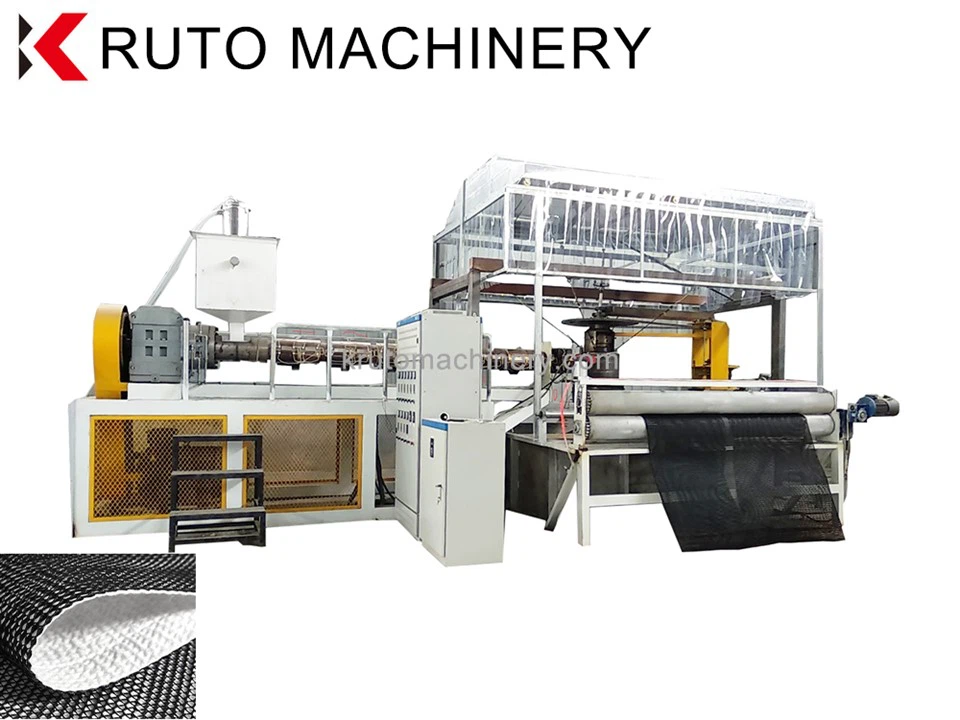
If you have any questions about extrusion pressure adjustment or are interested in our Drainage Net Production Lines, feel free to reach out for a purchase negotiation. We're here to help you optimize your production process and get the best results.
References
- Plastic Extrusion Handbook, Second Edition, by George Gogos and Sidney Katz
- Polymer Processing: Principles and Design, by Christopher Rauwendaal